Seed Funding Announcement
Juna AI Raises $7.5M to Build the Agentic Factory OS
We are thrilled to announce that juna.ai has secured $7.5 million in seed funding to build the next generation of autonomous factories — powered by AI Agents that plan, control, and optimize industrial operations end to end.
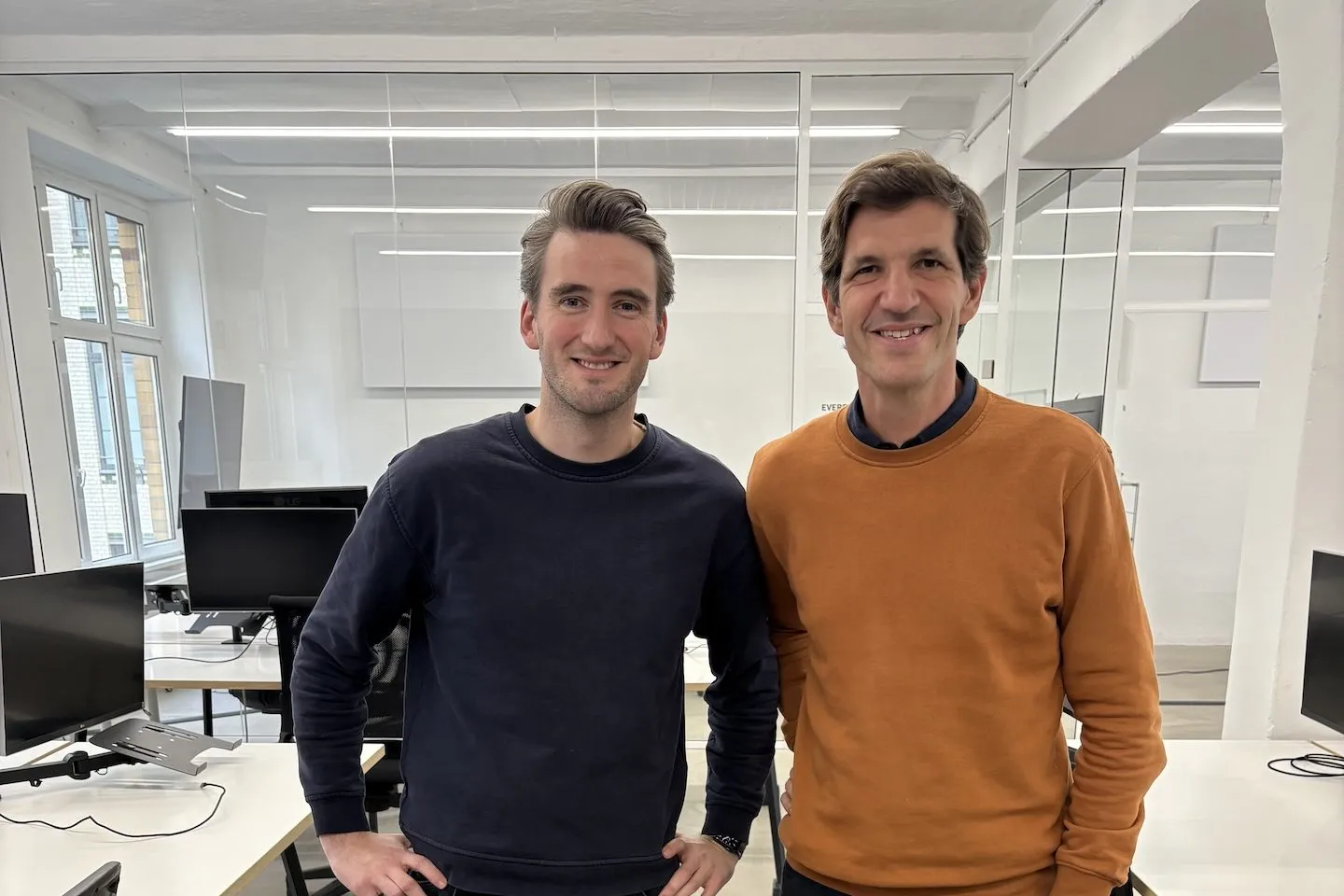
Today marks a pivotal moment for us at juna.ai as we emerge from stealth mode, ready to unveil our mission to transform the manufacturing industry through agentic AI. Founded by industry veterans Matthias Auf der Mauer and Christian von Hardenberg, we are excited to share our vision and the progress we have made so far.
At juna.ai, we are developing a new generation of AI-powered systems built from first principles to tackle the growing complexity of industrial manufacturing. Rather than focusing on isolated automation tasks, our technology introduces autonomous AI Agents that operate across the factory — from production planning and resource allocation to real-time process control. Together, these agents form an Agentic Factory OS that continuously learns, adapts, and optimizes operations.
By orchestrating decisions across planning, execution, and control, our approach enables higher throughput, lower energy consumption, and more resilient operations — while reducing manual intervention and operational stress. This leads to measurable efficiency gains, improved margins, and a significantly lower carbon footprint.
The manufacturing sector is responsible for approximately 40% of the world’s total energy consumption and remains one of the largest contributors to global carbon emissions. At the same time, manufacturers face rising energy prices, fragile supply chains, geopolitical uncertainty, and increasing pressure to meet net-zero targets. Compounding this challenge, the industry is experiencing a severe talent shortage, with up to 50% of skilled positions unfilled.
Our solution directly addresses these challenges by turning complex production environments into autonomous, self-optimizing systems. AI Agents continuously balance competing objectives such as maximizing output, minimizing energy and raw material costs, meeting delivery targets, and staying within operational and environmental constraints — even as conditions change.
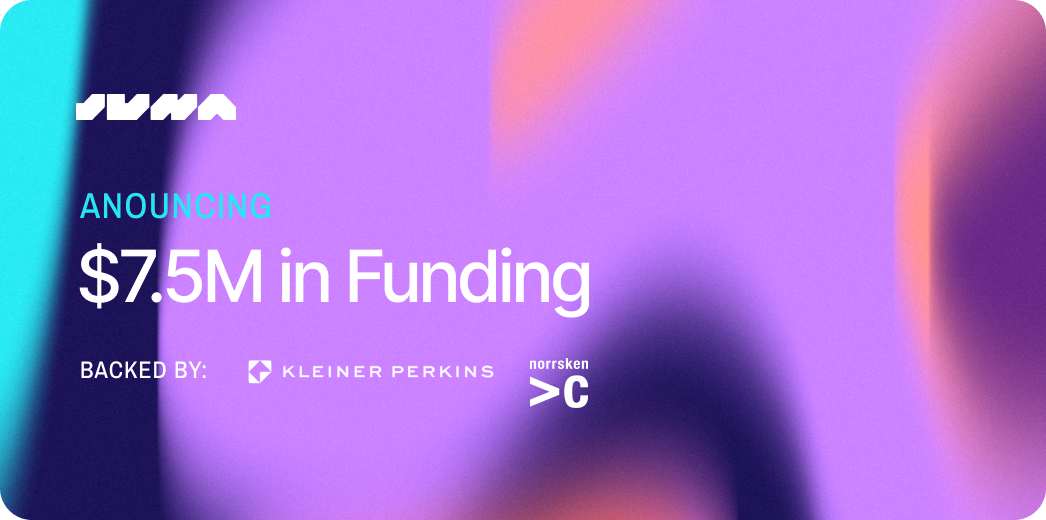
We are excited to announce that we have raised $7.5 million in seed funding, led by Kleiner Perkins, with participation from Norrsken VC and world-class business angels including John Doerr and ellipsis venture. This investment will accelerate the development and rollout of our Agentic Factory OS, support customer deployments, grow our team, and establish our new headquarters in Berlin.
“We’re thrilled to support Juna AI in their mission to redefine how factories operate. Their agent-based approach addresses fundamental challenges in manufacturing — from operational complexity and energy efficiency to workforce constraints.”
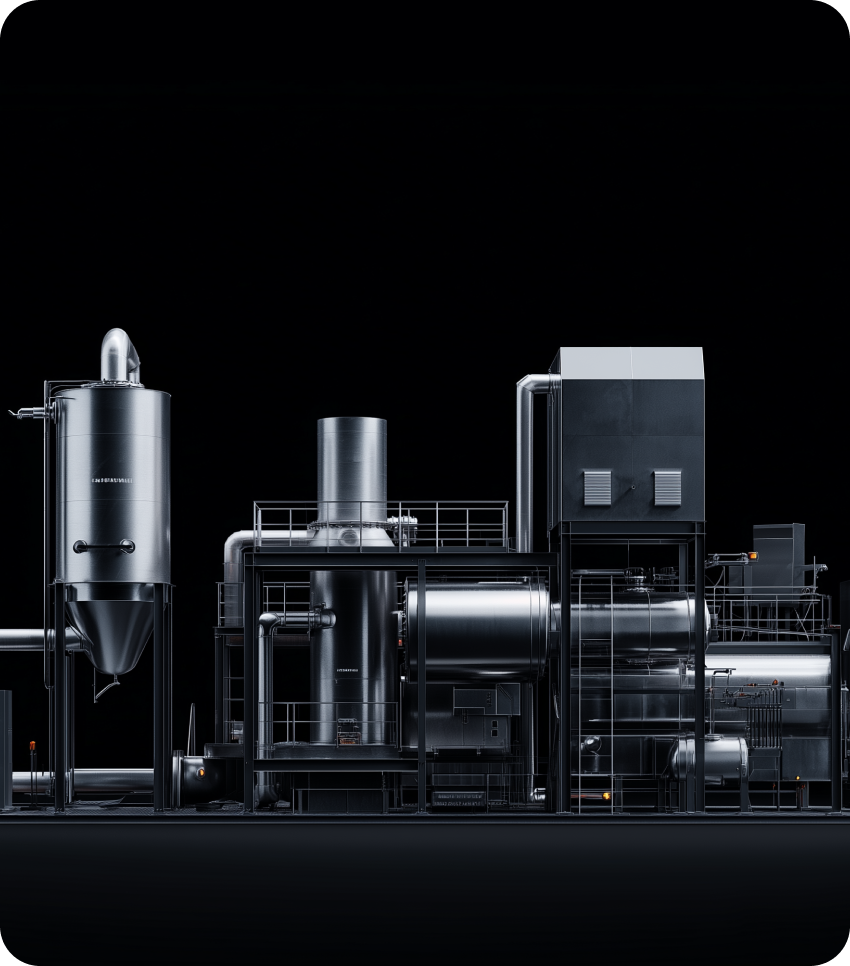
Our technology is applicable across a wide range of industries, including chemicals, steel, paper, cement, textiles, and food processing. We have already deployed our systems with early customers, demonstrating tangible operational improvements and significant cost savings in real-world production environments.
We are actively hiring across multiple technical roles and are looking for people who want to help shape the future of autonomous manufacturing.
Join Us on Our Journey
We invite you to follow our progress, engage with us, and help shape a future where AI Agents run factories — making industrial production more efficient, resilient, and sustainable.
About Juna AI
Juna AI is a Berlin-based technology company building the Agentic Factory OS — a platform of autonomous AI Agents that plan, control, and optimize industrial production end to end. Founded by Matthias Auf der Mauer and Christian von Hardenberg, Juna AI enables manufacturers to operate complex factories autonomously, improve margins, and reduce their environmental footprint. Juna’s systems are already deployed across multiple heavy industries, delivering measurable economic and sustainability impact.